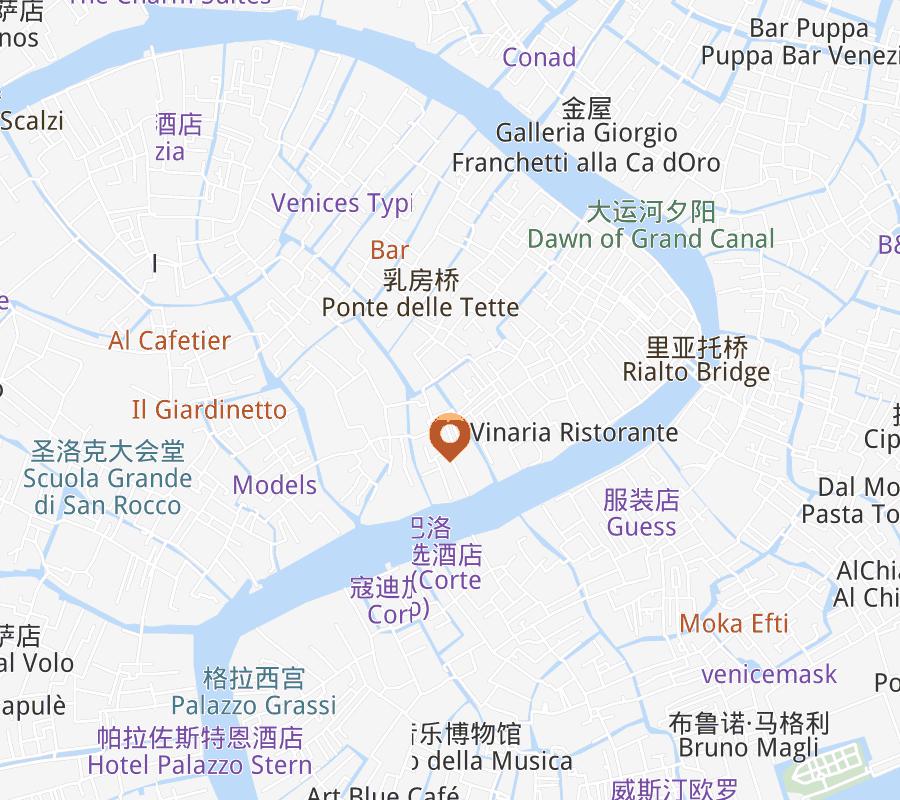
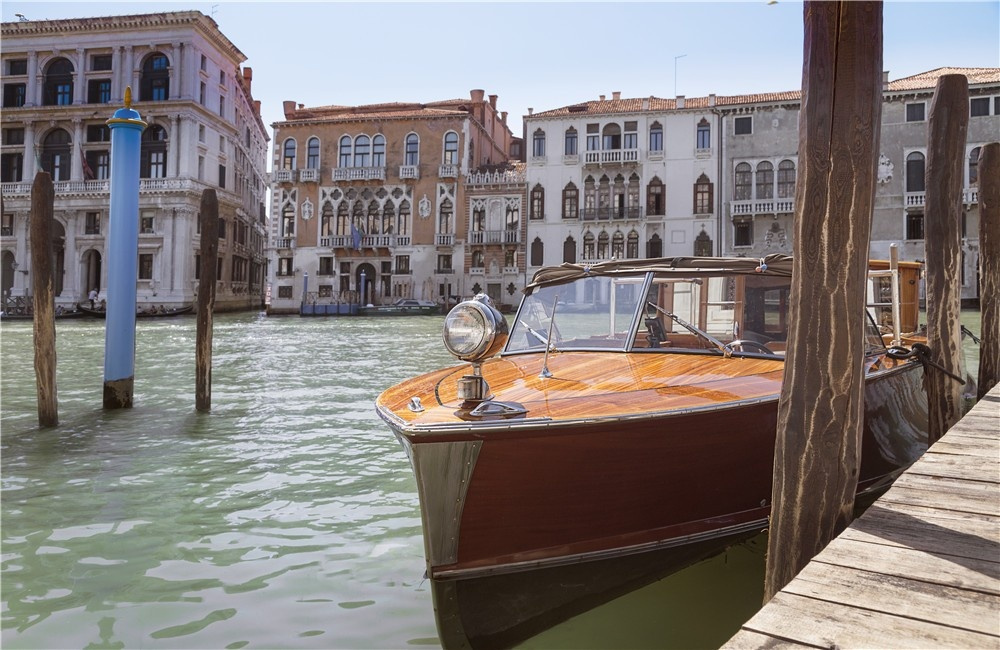


Home to the Piazza San Marco and Saint Mark’s Basilica, it is perhaps the Grand Canal which is Venice’s most iconic feature. Meandering in a sinuous s-shape through the heart of this UNESCO World Heritage Site, it is lined with gracious buildings between 200 and 700 years old. Aman Canal Grande Venice is situated near the Rialto Bridge in one of these regal old palazzos.
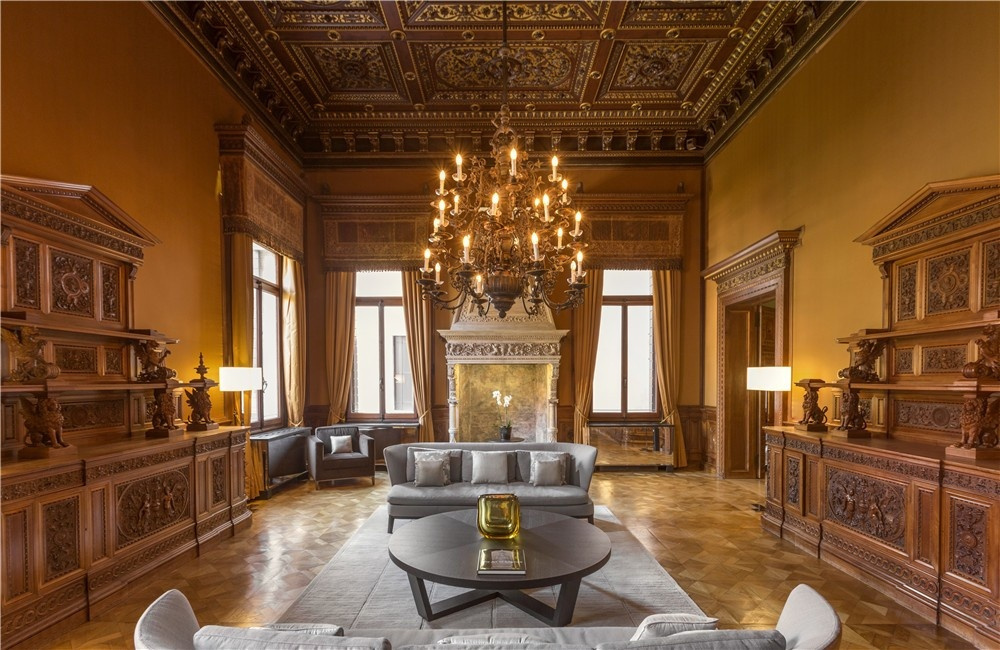
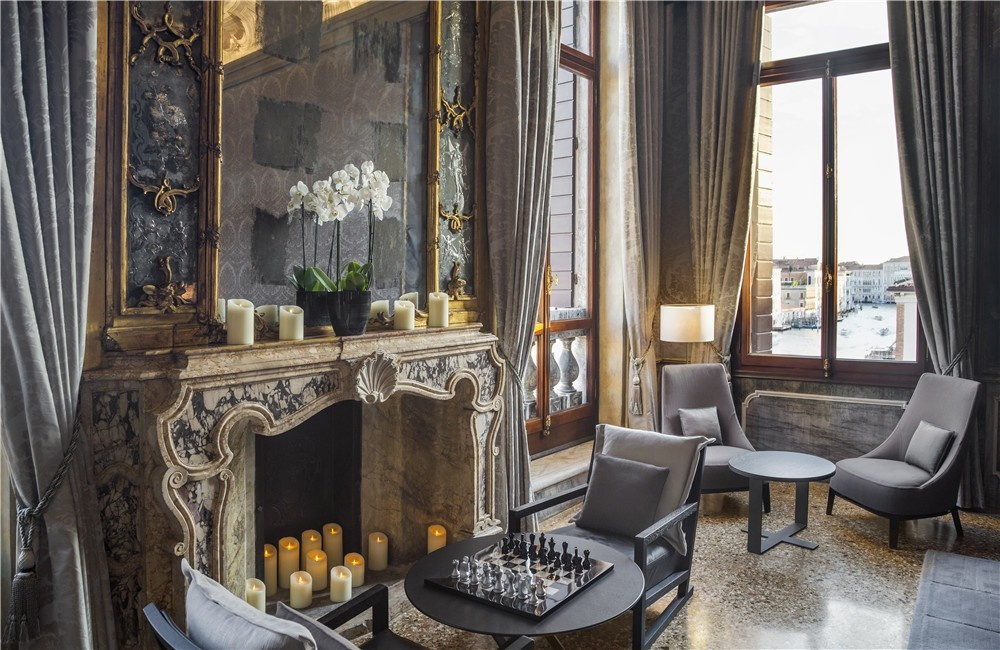
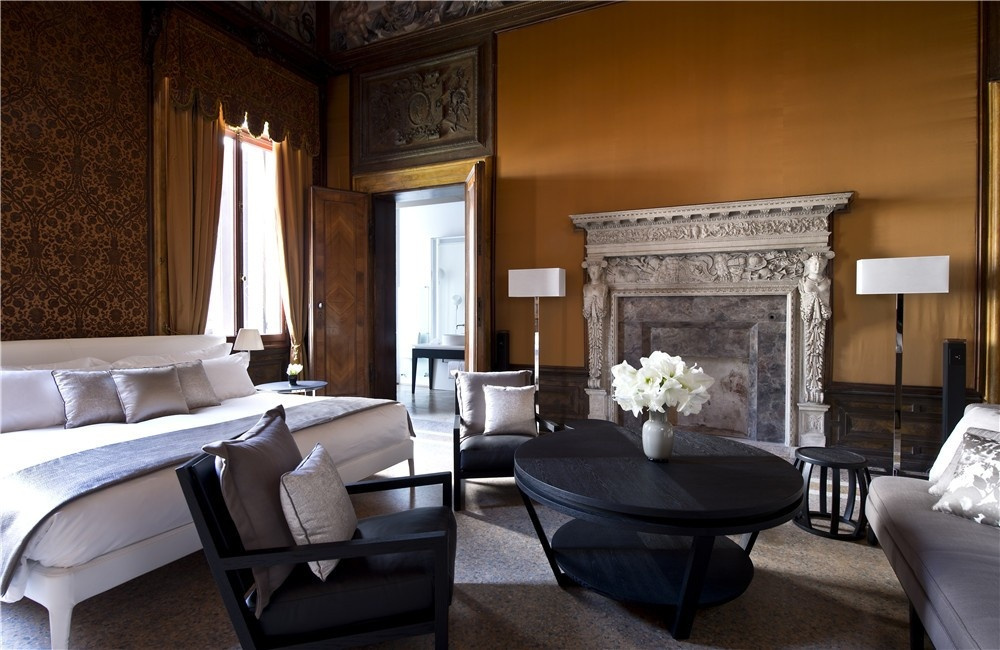
Originally called ‘The Hall of the Four Doors’, the Sansovino Stanza offers decorative wood panelling, a painted frieze around the walls and a carved ceiling. It also has the most historic fireplace in the palazzo, designed by Jacopo d’Antonio Sansovino, one of Venice’s most famous architects in the 16th century.
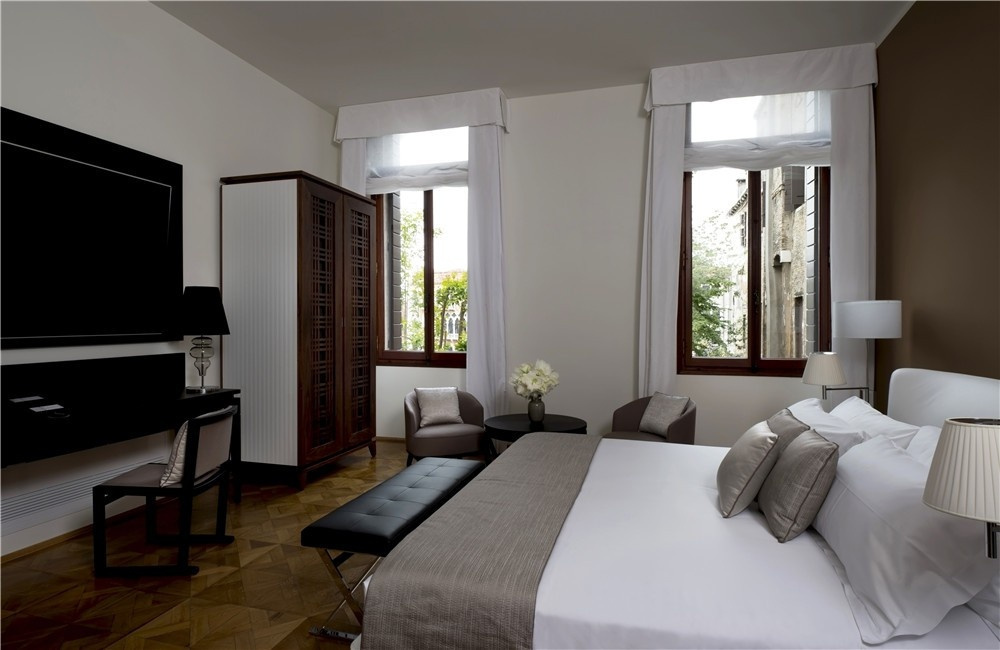
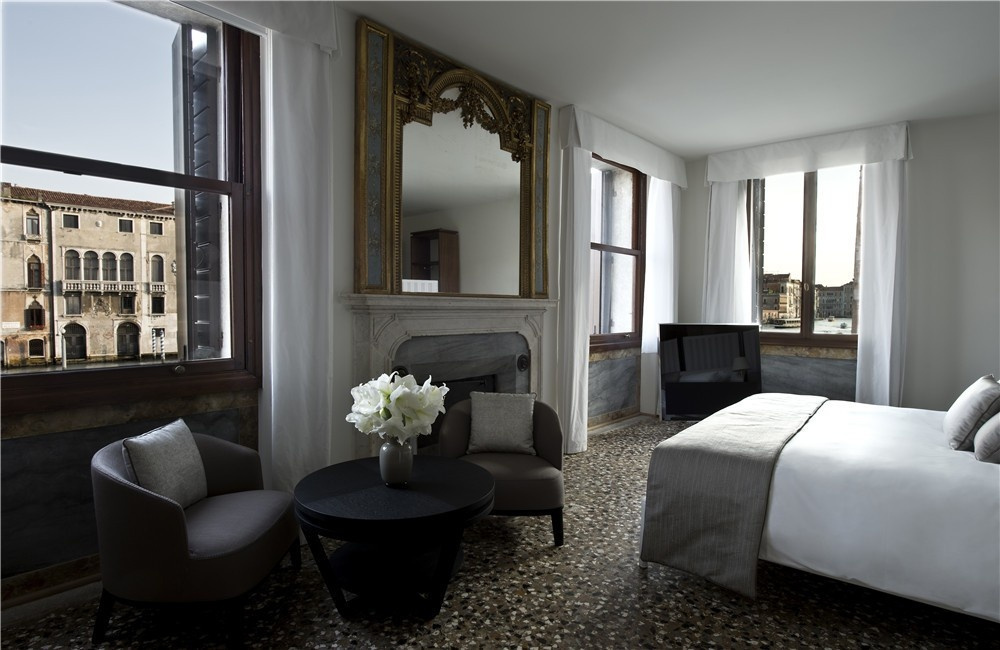
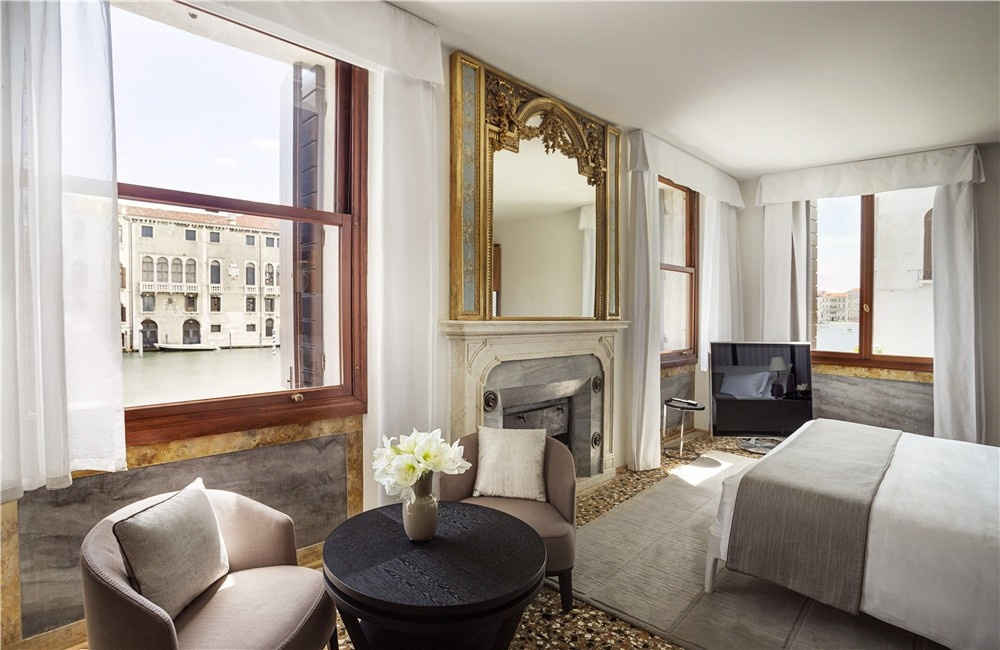
Aman Canal Grande Venice also offers Palazzo Stanzas and Palazzo Chambers. The Palazzo Stanzas all provide views of the Grand Canal, as do several of the Palazzo Chambers.
Location:
The palazzo in which Aman is housed, Palazzo Papadopoli, was built in the 16th century by the architect Gian Giacomo dé Grigi. Guests usually arrive at the property by boat, docking at a landing that leads directly into the lofty ceilinged Reception Hall.
Builton water, steeped in history and synonymous with romance, Venice is a fabled destination with a glorious past.
Aman Canal Grande Venice celebrates the contemporary spirit of the ‘Floating City’ in a setting redolent of days gone by.
Accommodation:
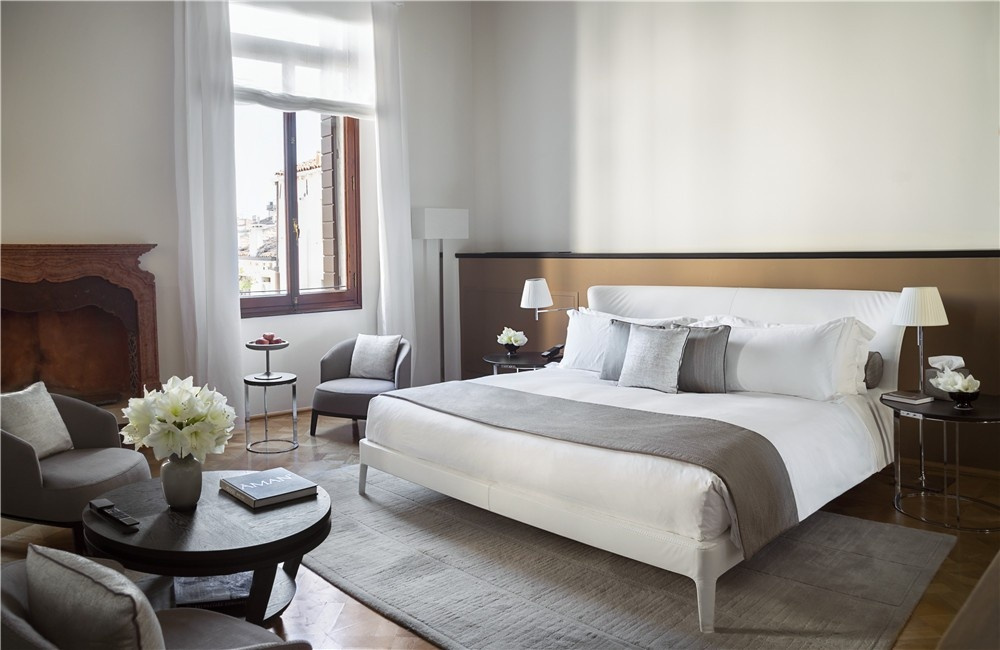
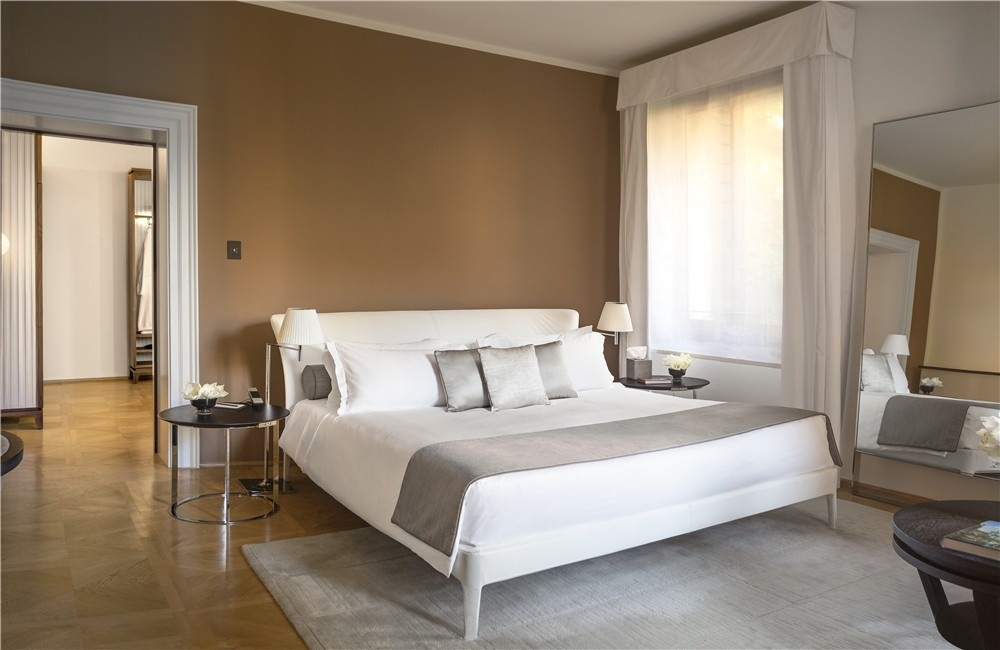
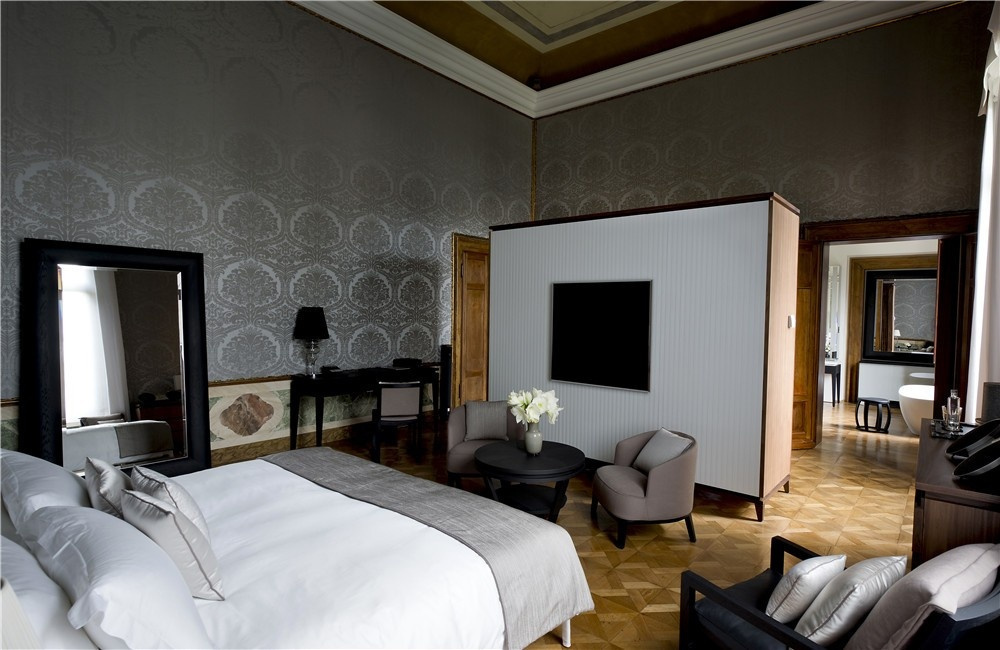
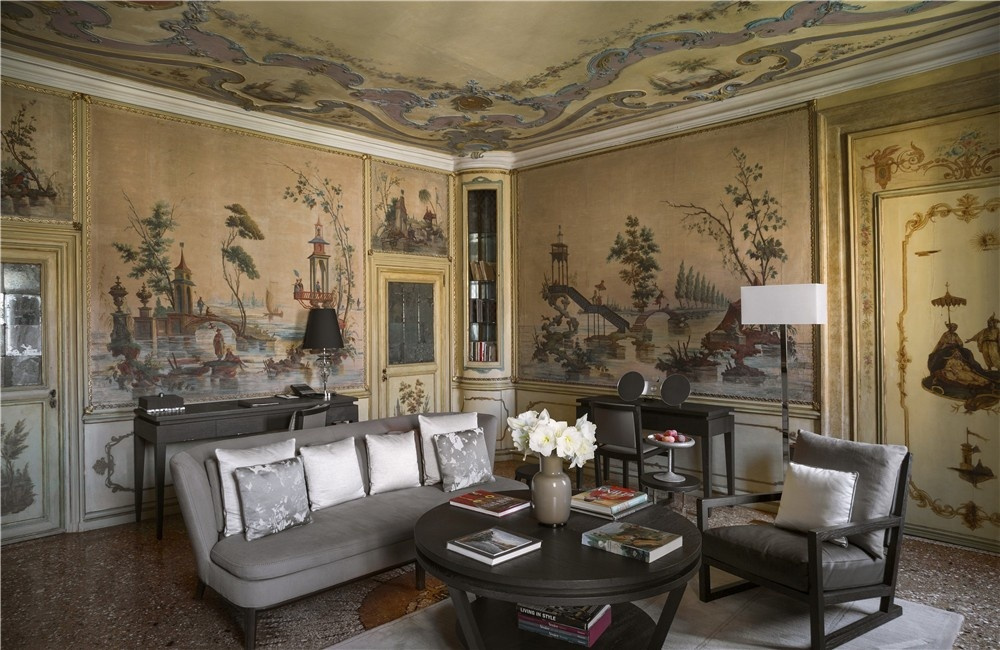
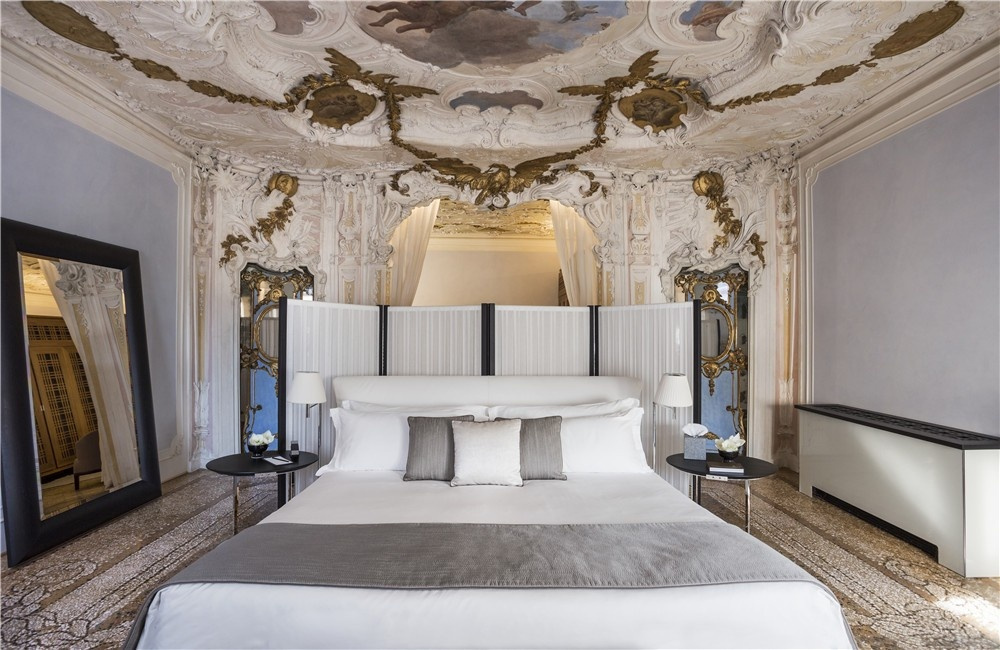
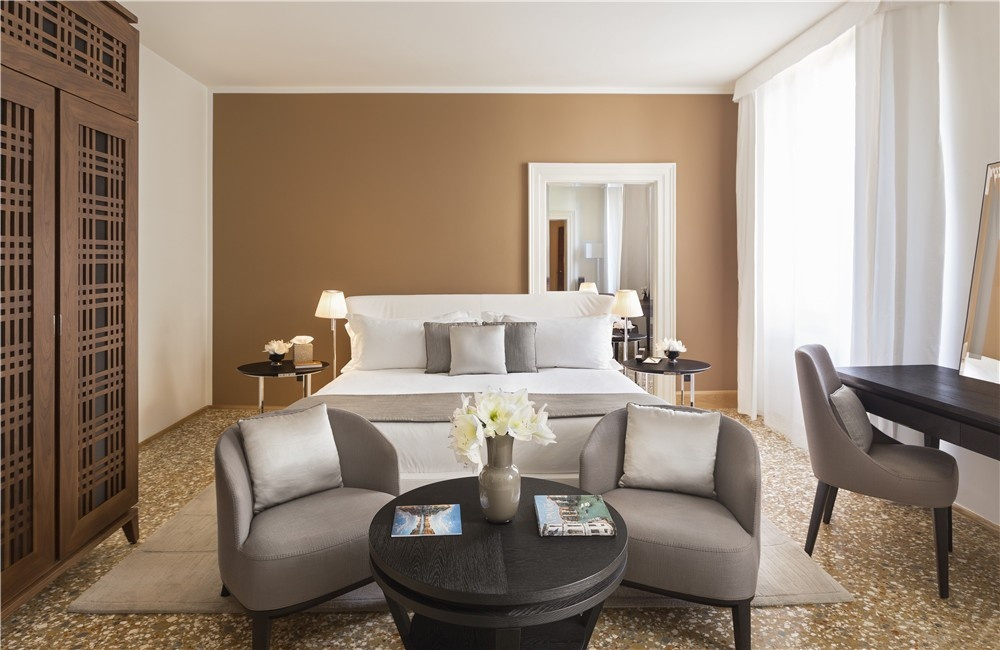
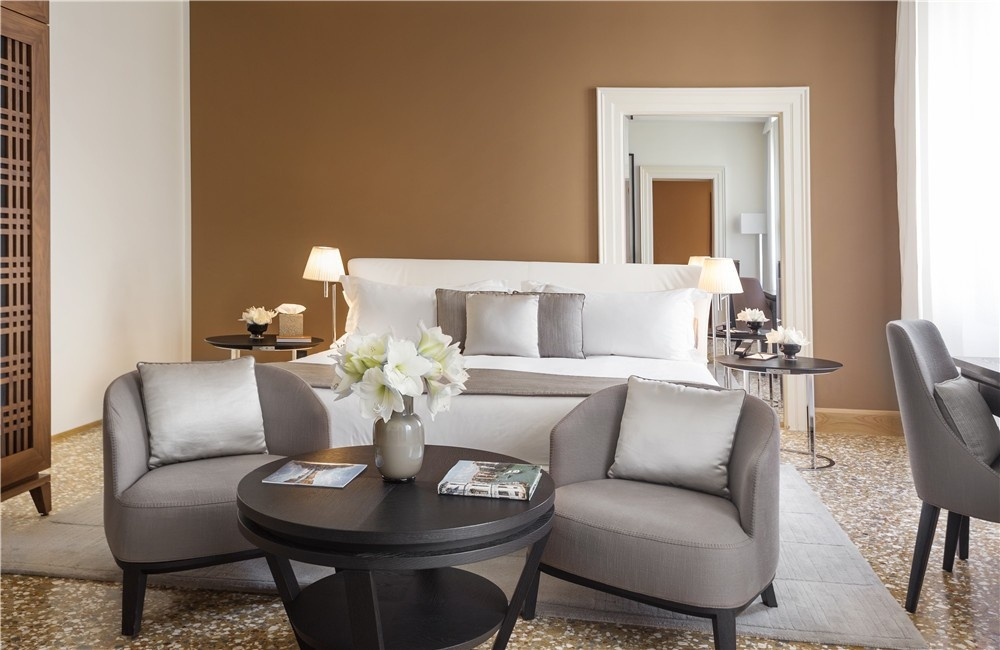
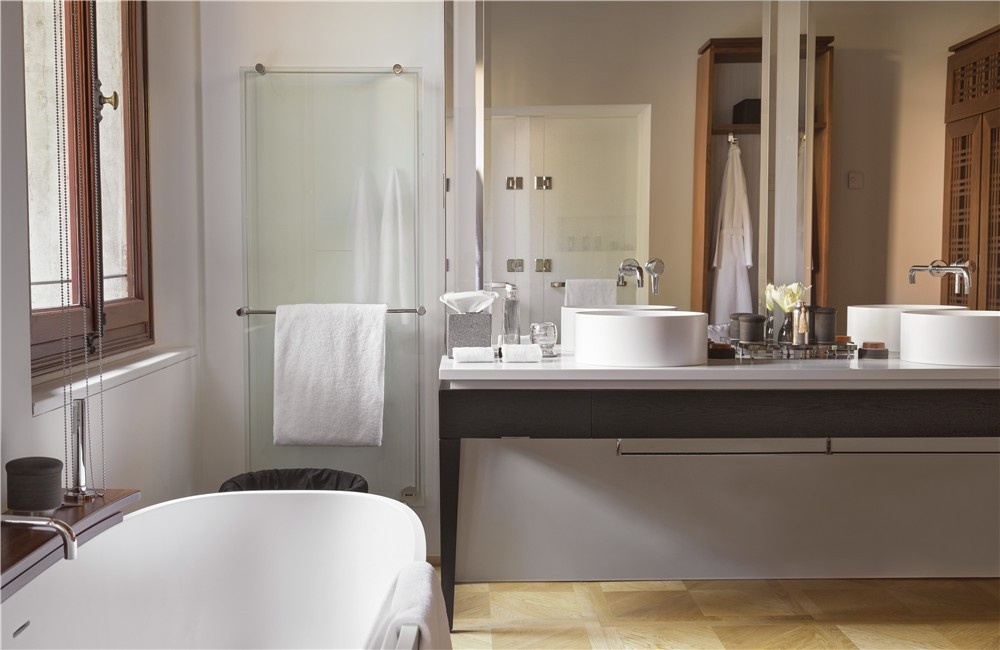
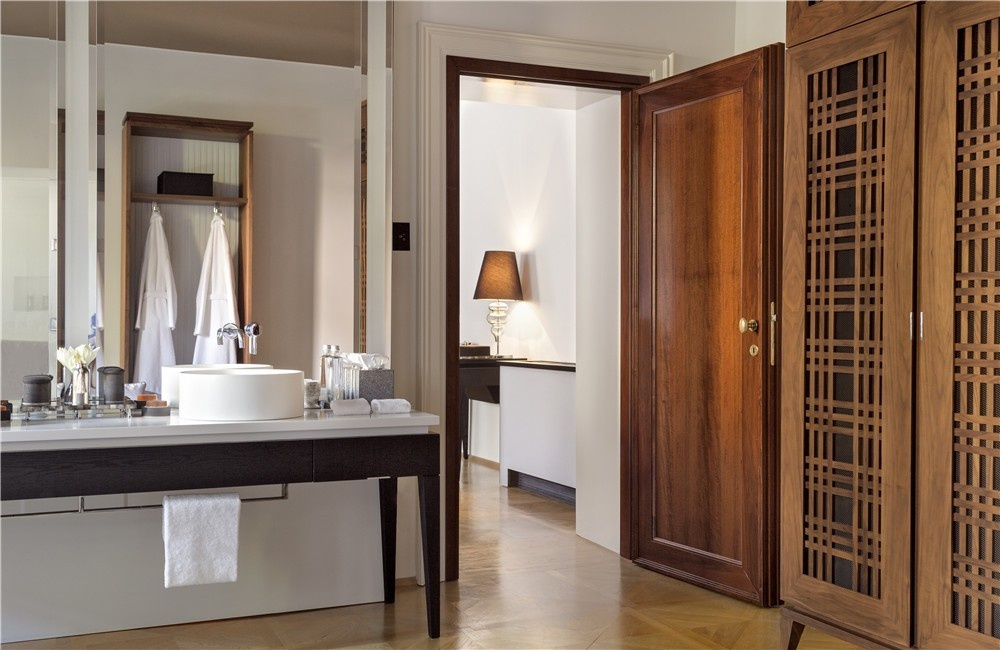
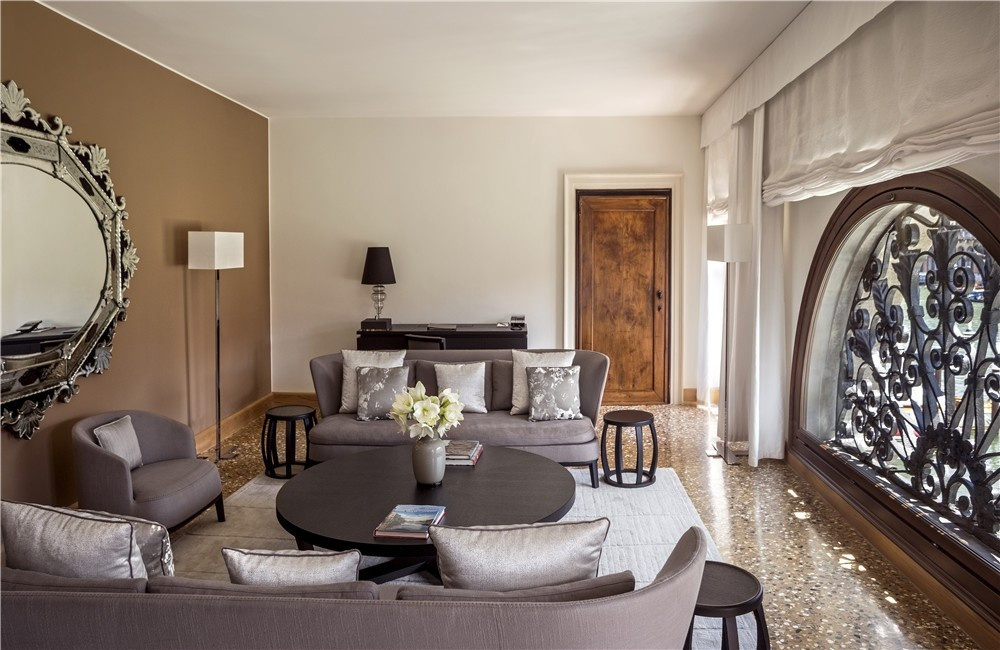
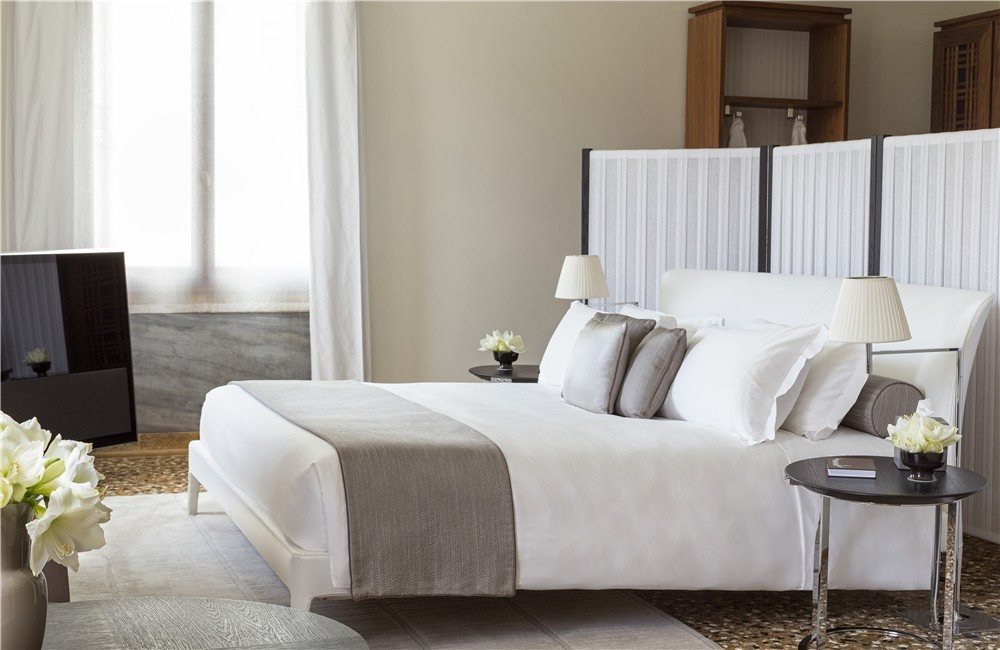
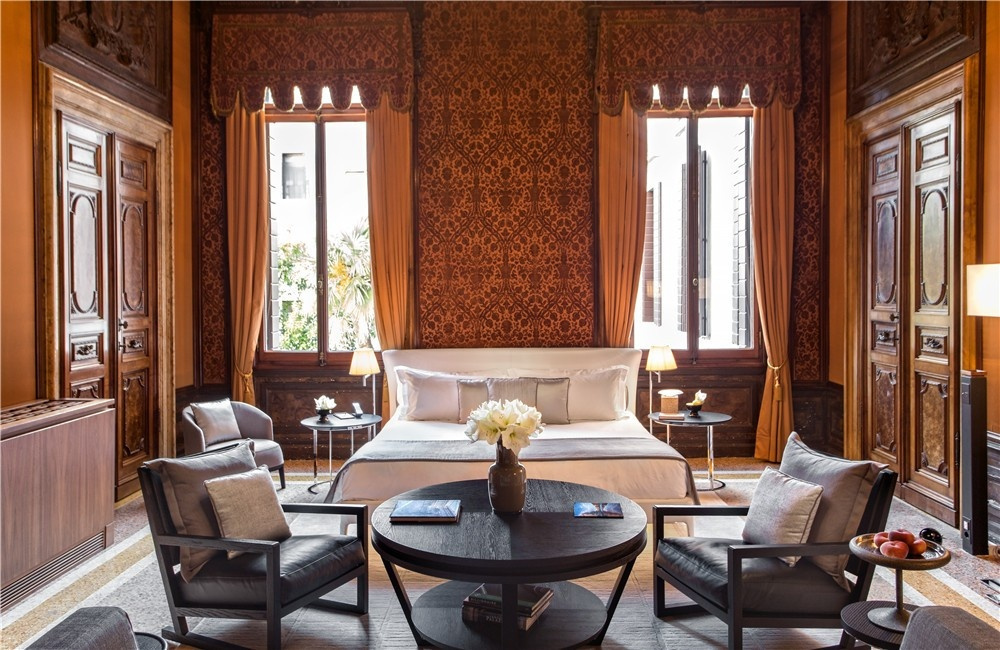
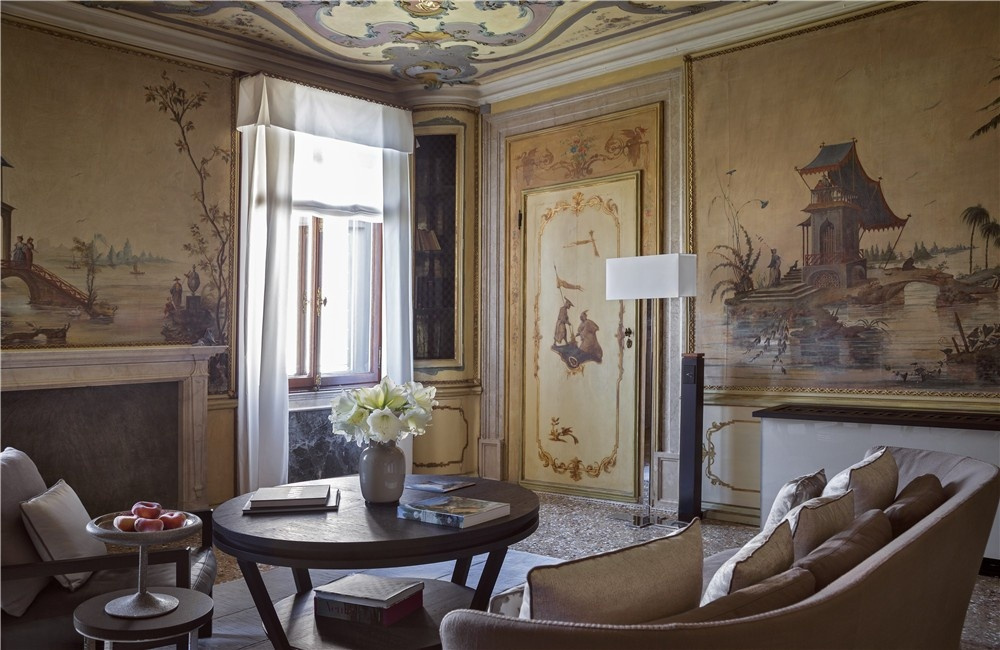
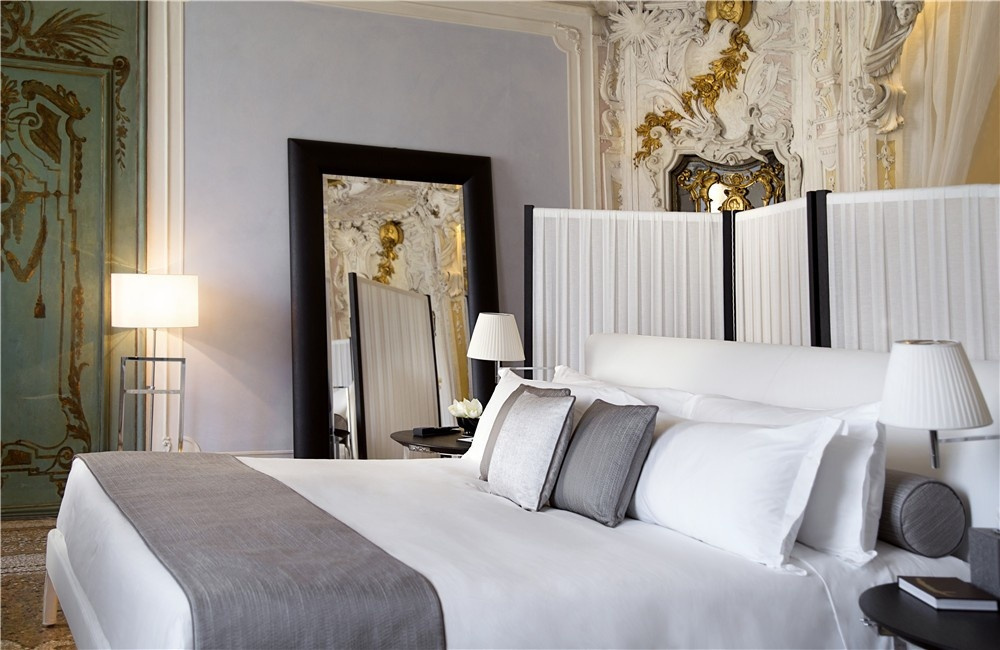
Aman Canal Grande Venice offers 24 rooms, some featuring protected frescos and views of the Grand Canal. The Alcova Tiepolo Suite has an Oriental-style sitting room and a bedroom ceiling by Giovanni Battista Tiepolo. Tiepolo has been described as the “greatest decorative painter of 18th-century Europe”.
Located above the front door of the palazzo, the Canal Grande Suite directly fronts the Grand Canal offering exceptional views. It features a sitting room with an intricatearched window.
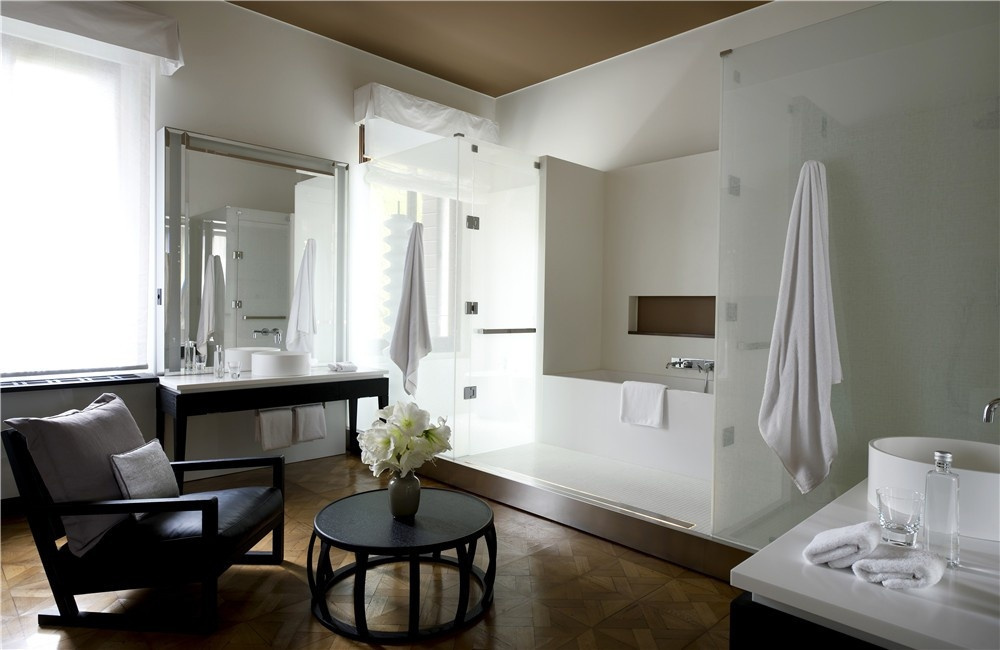
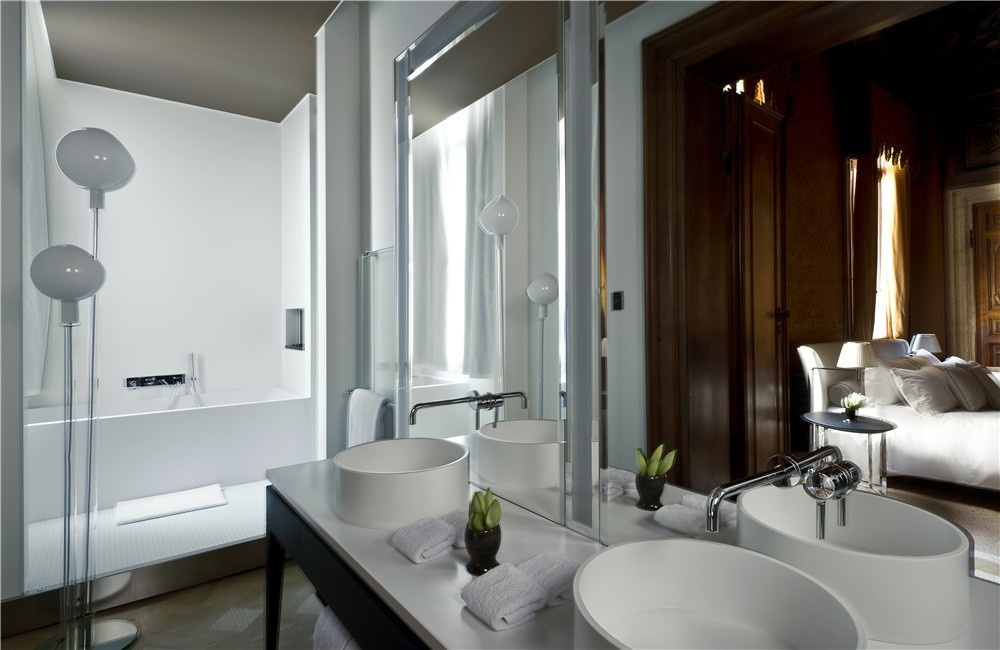
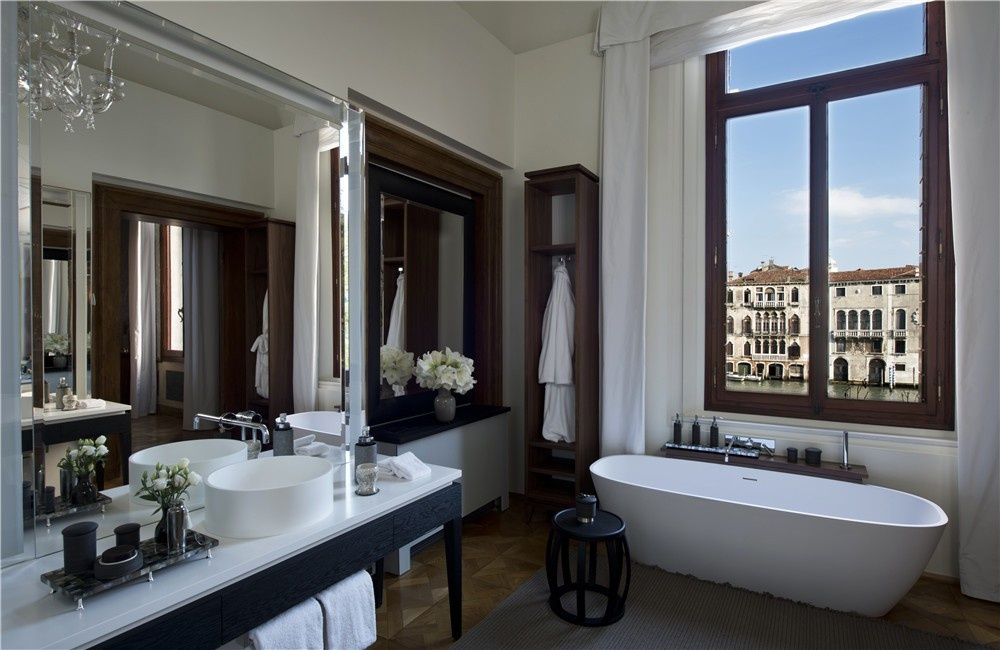
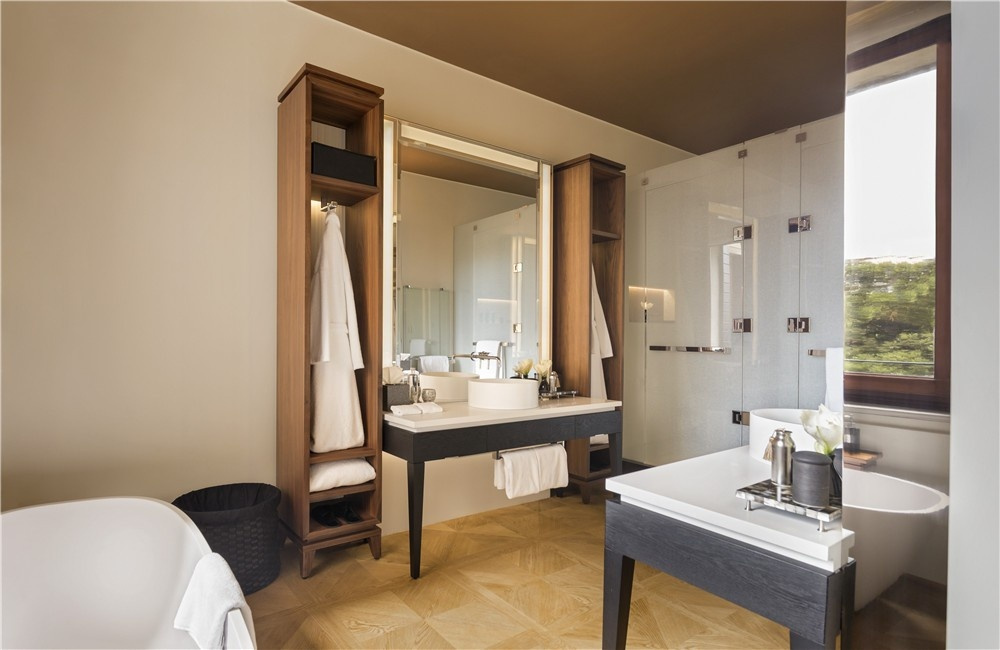
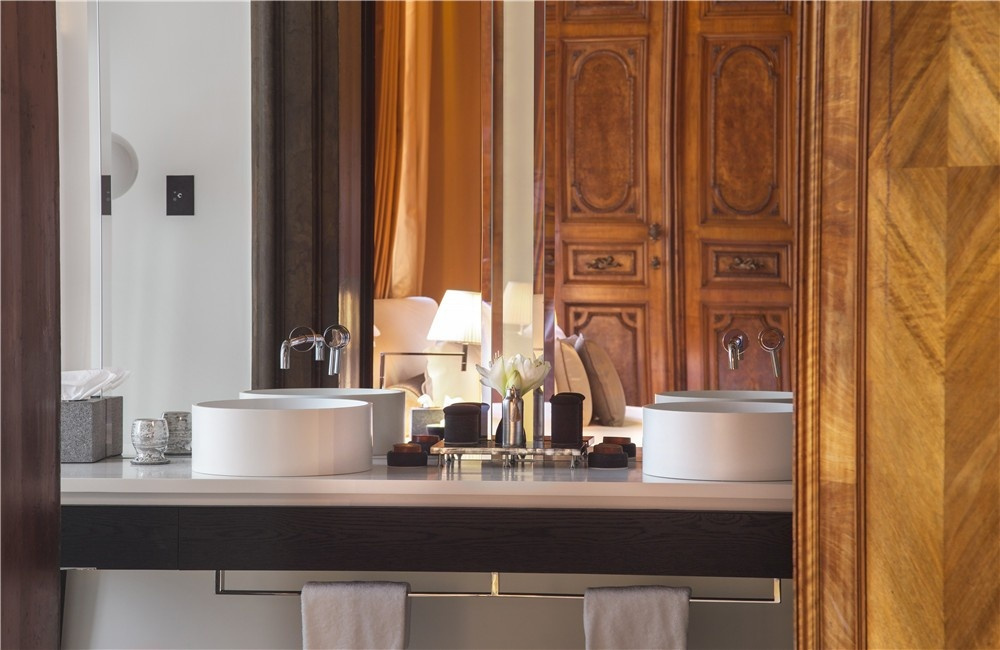
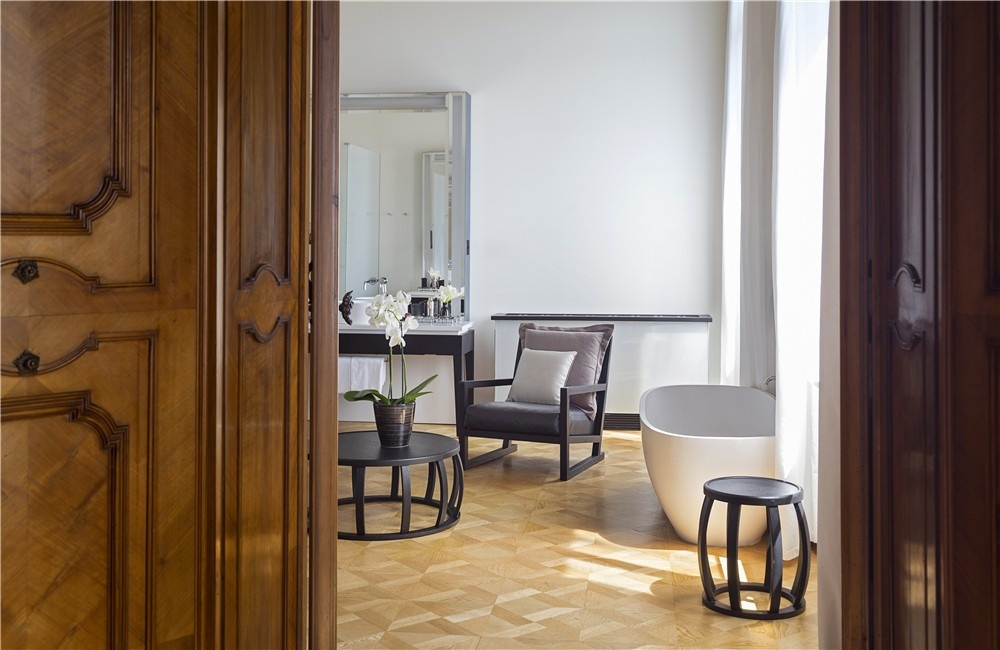
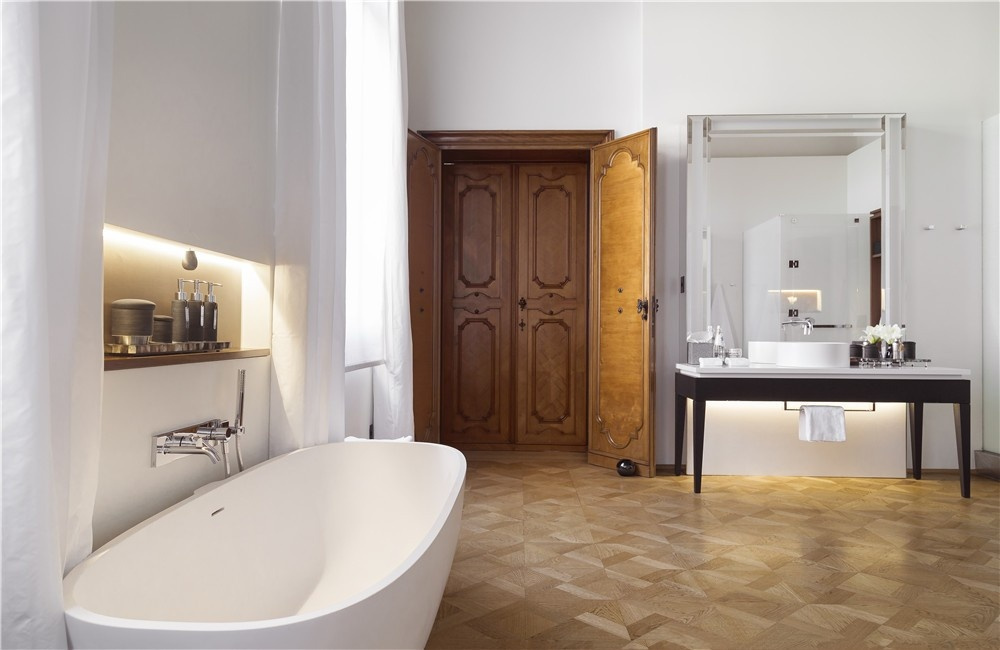
The Maddalena Stanza features silk wallpaper, high frescoed ceilings and achandelier in the bathroom. The tall windows offer wonderful views over the Canal Garden and the Grand Canal.
Facilities:
From the Reception Hall, a sweeping staircase rises through two levels to the pianonobile, traditionally the grandest floor of a palazzo. At the top of the stairs, guests are welcomed into the Vestibule.
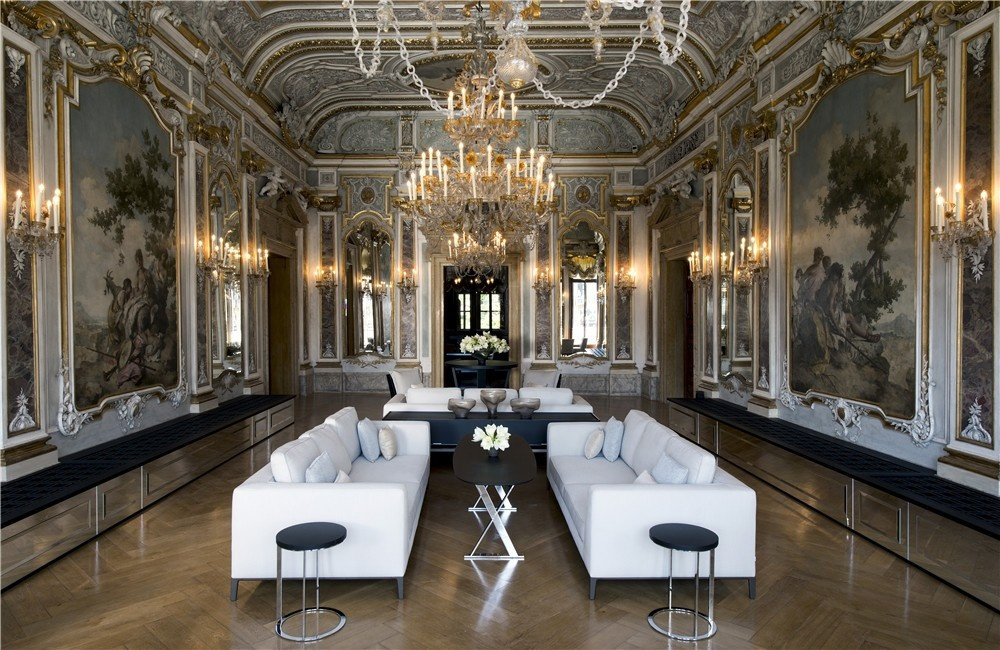
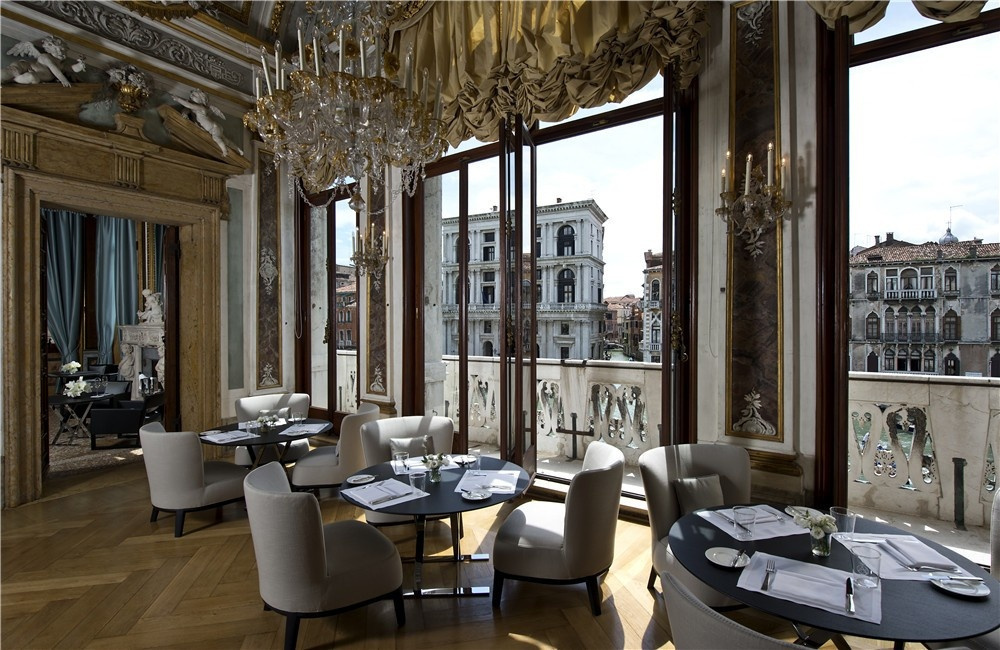
The piano nobile was designed by Michelangelo Guggenheim, a leading exponent of the Neo-Renaissance and Rococo styles in the mid-to-late 1800s. It offers alounging area in the Ballroom, and leads to the Bar and dining rooms.
Plied by gondolas and vaporetti (water buses), the Grand Canal is the city’s main thorough fare. The piano nobile’s balcony allows guests to witness the full spectrum of the canal’s maritime activities.
The Bar provides a cosy setting with canal views. The Red Dining Room and the Yellow Dining Room lie adjacent to the Ballroom and serve Italian and Asian cuisines. They offer views over the resort’s Canal Garden and the Grand Canal respectively.
The Yellow Dining Room features a magnificent fireplace and a ceiling painted by renowned 19th-century artist Cesare Rotta.
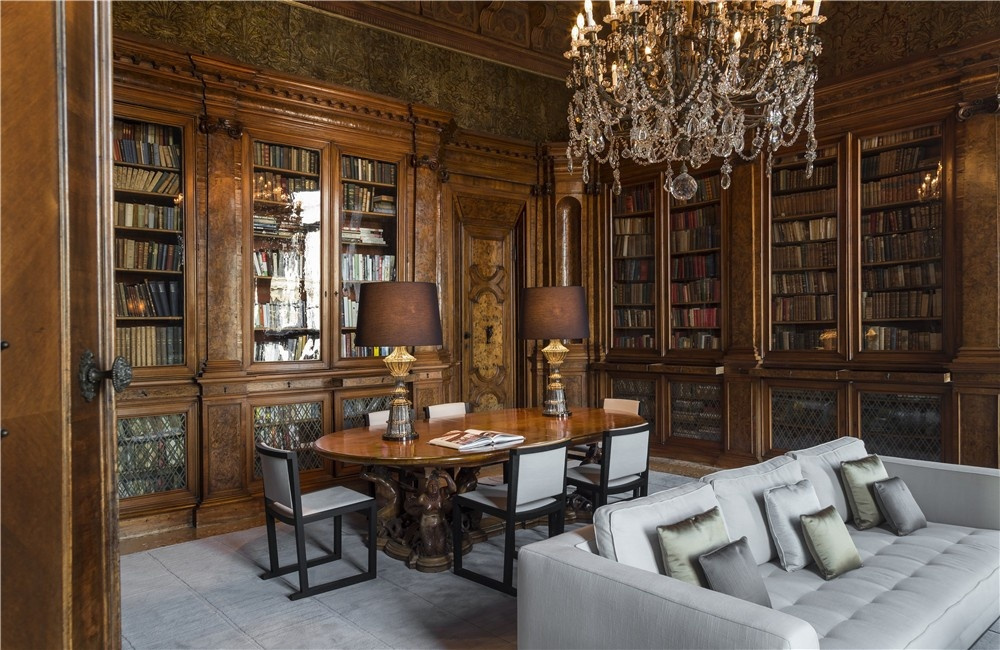
Inaddition to the Bar, the games room known as Stanza del Tiepolo and the Library are other venues in which to relax and socialise.
Rising from the Vestibule is a second staircase that leads to the fourth level. This houses the Salon, a lofty-ceilinged lounge and relaxation area, as well as Stanza del Tiepolo, the Library and Stanza del Guarana, a meeting room. The Salon’s expansive windows provide commanding views of the Grand Canal.
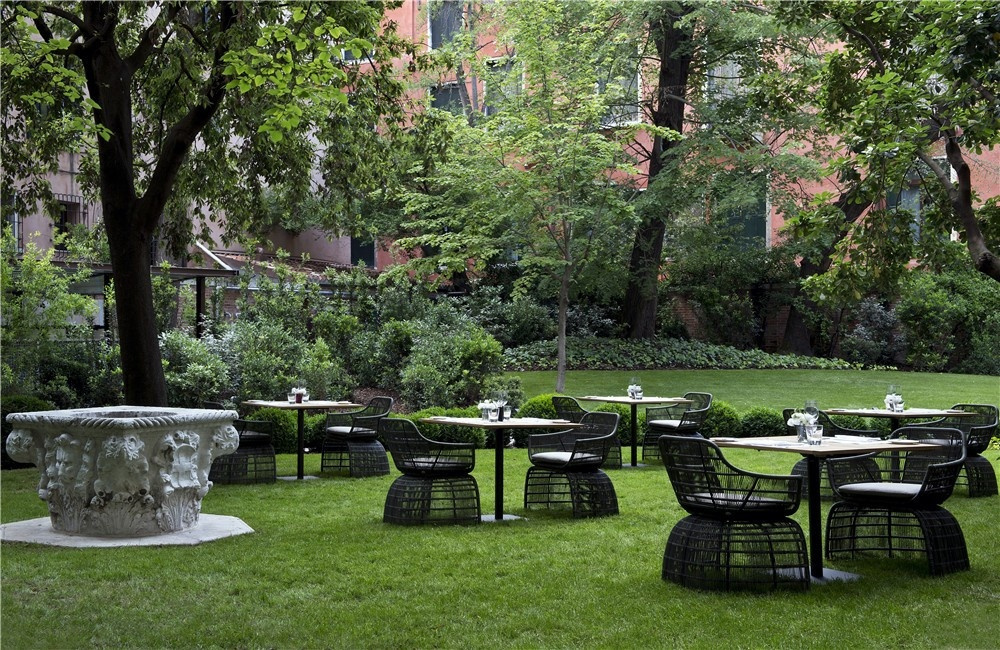
Fronting the Grand Canal is the Canal Garden, one of very few private gardens on the canal. Mature trees and a lawn provide an ideal setting for a relaxing hour or two, or an al fresco meal in the warmer months at Naoki. This Japanese restaurant serves innovative French-inspired kaiseki cuisine. The palazzo has a second Private Garden which provides walking access to the neighbourhood of San Polo.
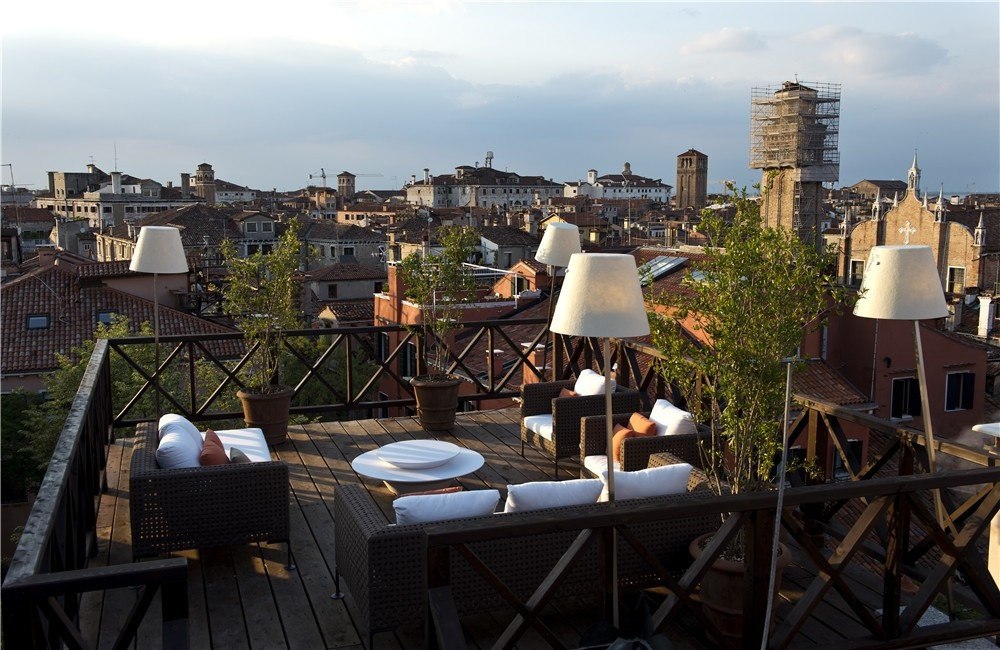
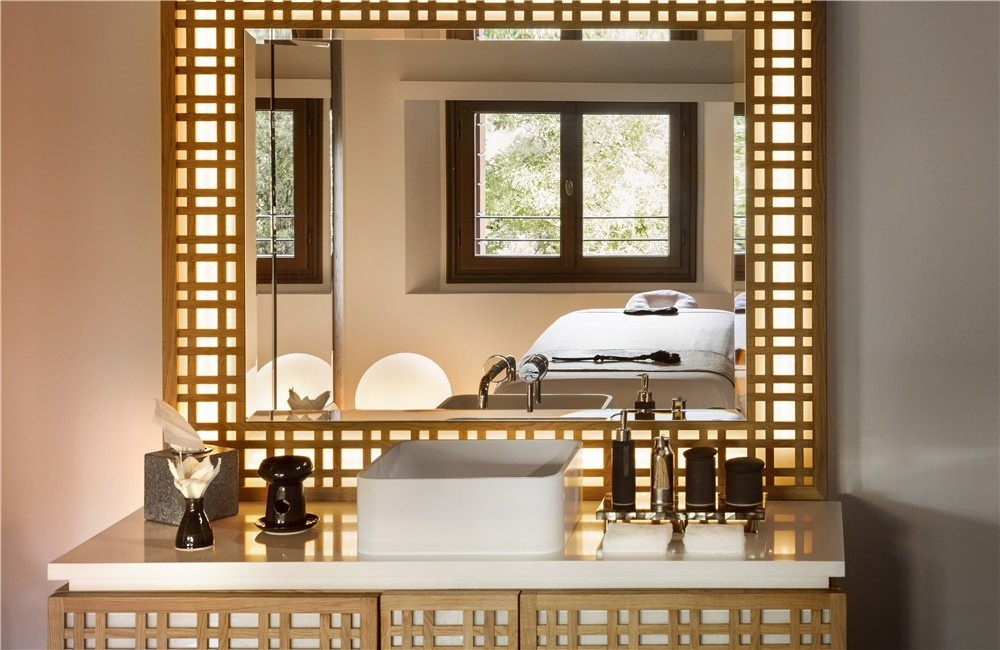
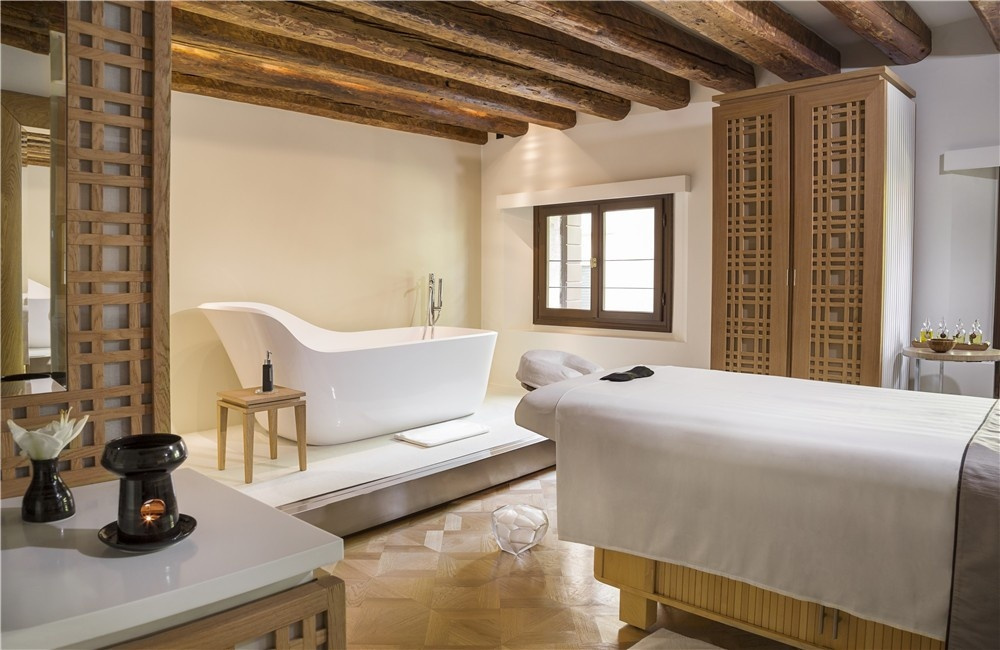
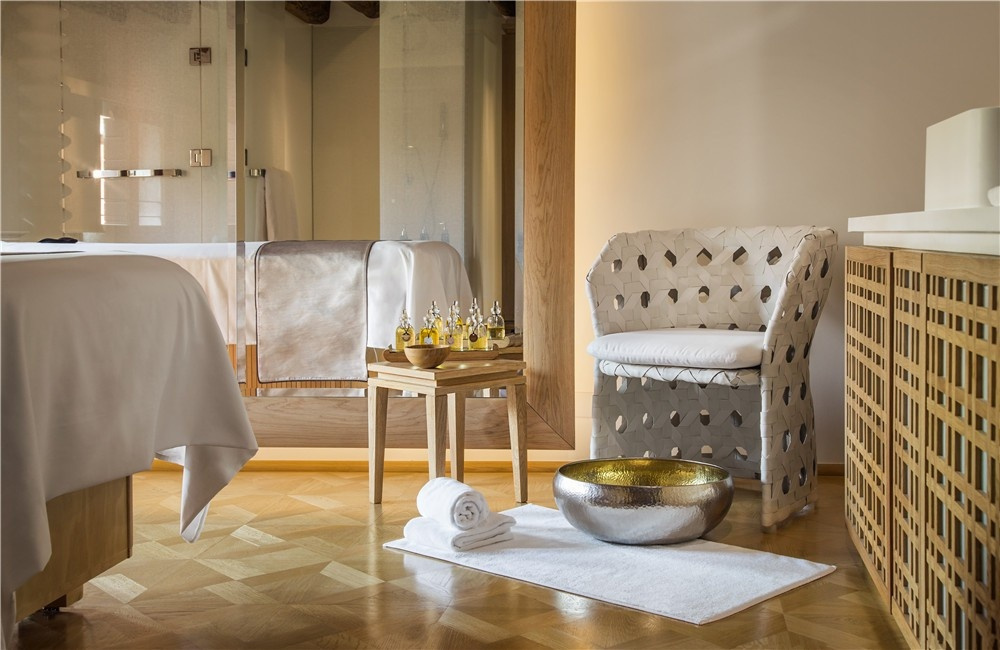
Guests can also take time out in the Spa, the Gym or on the Altana – the roof terrace. The Spa provides three single treatment rooms, while the Altana offers beautiful roof top views of Venice and the distant Alps.
Activities:
Once a major power and flourishing trade centre in the Mediterranean, Venice is known today for the beauty of its setting, its architecture and its artworks.
The city plays host to several internationally-renowned events including the annual Carnival, the Venice Film Festival and the Art and Architectural Biennales.
The Redentore Festival, Regata Storica and La Sensa are among the numerous historic festivals celebrated throughout the year.